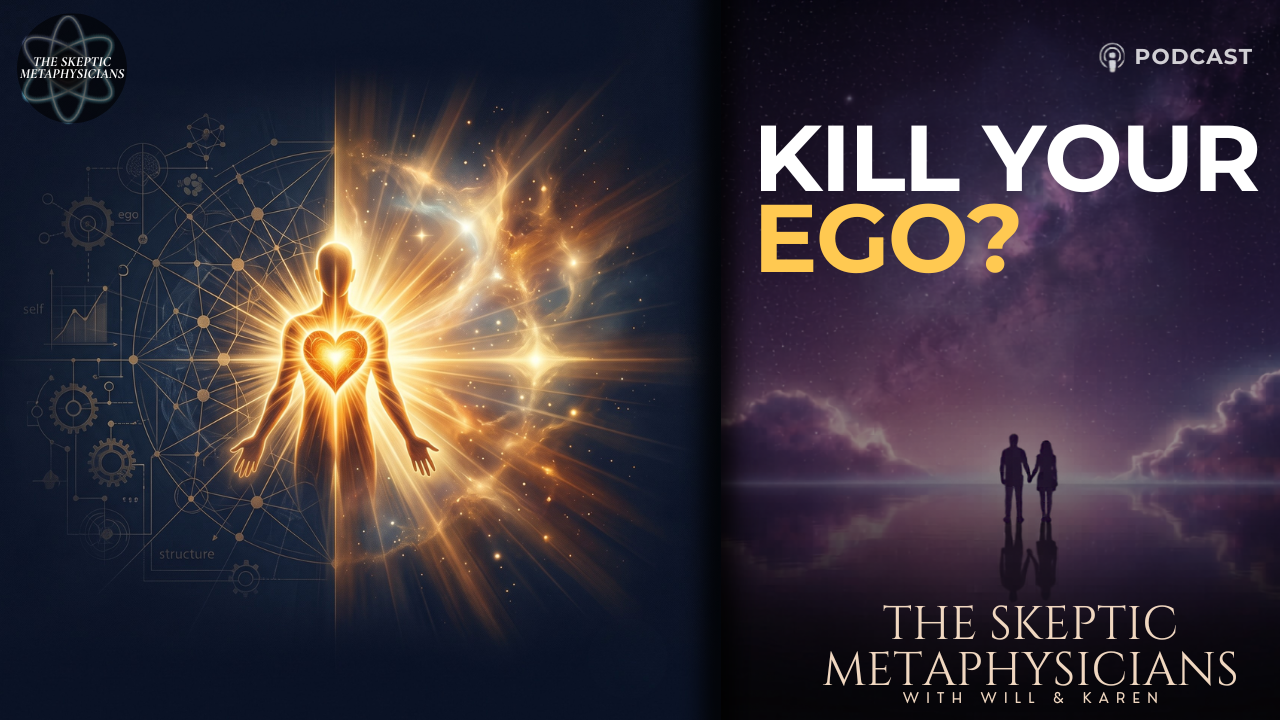
This post delves into the concept of ego vulnerability, explaining how embracing and healing this dimension of your ego, rather than trying to destroy it, is crucial for spiritual growth and inner peace. You'll learn how to identify unhealthy ego vulnerability and cultivate a balanced approach.
Key Takeaways
- Ego vulnerability isn't about weakness, but about acknowledging and integrating our human imperfections.
- Unhealthy ego vulnerability often manifests as fear-based living, susceptibility to external validation, or a struggle with self-acceptance.
- Balanced ego vulnerability allows for authentic connection, compassion, and spiritual alignment.
- Healing ego vulnerability is a core component of Dr. Nick's "Ego Medicine" approach.
- You were born saved; healing ego helps you stop "unsaving" yourself.
What is Ego Vulnerability?
The prevailing spiritual narrative often pushes us to “kill” or transcend our ego, viewing it as an inherent obstacle to enlightenment. However, the concept of the ego is far more nuanced, and its different dimensions play a critical role in our human experience and spiritual journey. In this exploration, we're zeroing in on a specific facet: ego vulnerability. Far from being a sign of weakness, as many might assume, understanding and healing ego vulnerability is presented by Dr. Nickolas Martin, a psychologist and pioneer in the field of Egoology, as a cornerstone of genuine spiritual growth and a balanced, fulfilling life.
For too long, spiritual traditions have prescribed a singular solution: dissolve the ego. Yet, for many, this approach leaves a lingering sense of disconnection. Dr. Martin’s framework, “Ego Medicine,” suggests a paradigm shift: the ego isn’t an enemy to be vanquished, but a vital aspect of ourselves that needs understanding and healing. Ego vulnerability, in particular, is often misunderstood. It’s not about being easily hurt or lacking resilience. Instead, it refers to our capacity to acknowledge and accept our inherent imperfections, our humanity, and our potential for failure or fear. When this dimension of the ego is unhealthy, it can lead to significant internal struggles that block our connection to our divine selves.
The Three Dimensions of Ego Energy
Dr. Martin breaks down ego energy into three core dimensions: power, flexibility, and vulnerability. While the episode touches on all three, we’re focusing on vulnerability because it’s a crucial, often overlooked, aspect of our inner landscape. Understanding these dimensions helps us see how imbalances in ego energy can manifest in our lives, impacting everything from our relationships to our spiritual connection.
Unhealthy Ego Vulnerability
When ego vulnerability is unbalanced, it can manifest in several detrimental ways. One primary symptom is a pervasive sense of fear-based living. This isn't just about everyday anxieties; it's a deeper susceptibility to feeling unsafe, threatened, or inadequate. People struggling with unhealthy ego vulnerability might live with a constant undercurrent of dread, often stemming from a deep-seated fear of failure, judgment, or not being good enough.
Another common manifestation is an excessive reliance on external validation. If our inner sense of self is built on a foundation of perceived weakness or imperfection, we may constantly seek approval from others to feel worthy or secure. This can lead to people-pleasing behaviors, difficulty setting boundaries, and a constant need for reassurance. The very idea of accepting our imperfections can feel too threatening, so we project an image of strength or competence that doesn't align with our inner reality, further creating a disconnect.
Furthermore, unhealthy ego vulnerability can lead to a resistance to self-compassion. Instead of offering kindness and understanding to ourselves when we falter, we might engage in harsh self-criticism. This inner critic can be relentless, amplifying feelings of shame and inadequacy. The belief that we must be perfect to be accepted or loved prevents us from embracing the full spectrum of human experience, including our struggles and mistakes. As Dr. Martin notes, this resistance to our own humanity is a core reason why we might feel we are “unsaving ourselves,” moving away from the inherent divinity we were born with.
Balanced Ego Vulnerability
The goal, according to Dr. Martin's Ego Medicine, isn't to eliminate vulnerability but to cultivate a balanced and healthy expression of it. Balanced ego vulnerability is characterized by a profound sense of self-acceptance. It means recognizing that imperfections are an inherent part of the human experience, not flaws to be hidden or eradicated. This acceptance allows for authenticity, enabling us to show up in the world as we are, without pretense.
This balanced state fosters genuine compassion, both for ourselves and for others. When we can acknowledge our own struggles and imperfections with kindness, we are better equipped to extend that same grace to those around us. This leads to deeper, more meaningful connections in relationships, as we can engage with others from a place of shared humanity rather than an attempt to maintain a facade of perfection.
Moreover, balanced ego vulnerability supports our spiritual journey. By accepting our human limitations, we create space for our divinity to express itself more fully. It’s in embracing our wholeness, including our vulnerabilities, that we can truly connect with the love, life, and energy of the divine within us. This is the essence of “being born saved” – recognizing that our divine nature is our inherent state, and healing our egoic patterns, including vulnerability, allows us to re-connect with that truth, rather than needing to be “saved” from some external force.
Healing Your Ego Vulnerability: The Path Forward
The journey towards healing ego vulnerability involves a conscious effort to reframe our understanding of it. Instead of viewing moments of fear, self-doubt, or perceived failure as weaknesses, we can begin to see them as opportunities for growth and deeper self-awareness. This shift in perspective is foundational to Dr. Martin’s Ego Medicine.
One practical step is to challenge the inner critic. When you notice harsh self-judgment, pause and ask yourself: Would I speak to a friend this way? Often, the answer is no. Practicing self-compassion means offering yourself the same kindness and understanding you would offer a loved one. This can involve simple affirmations, mindful breathing during moments of stress, or journaling about your feelings without judgment.
Another crucial aspect is embracing the concept of “unsaving yourself.” This perspective suggests that we are not inherently broken or in need of external rescue. Rather, we have moved away from our innate wholeness through layers of programming and unhealed ego patterns. The work, then, is to unlearn these patterns and consciously reconnect with our inherent divinity. This means actively choosing to accept our imperfections, to be gentle with ourselves during difficult times, and to trust in our own inherent worthiness.
The process of healing ego vulnerability is not about erasing our human experience, but about integrating it. It’s about understanding that our capacity to feel, to fear, and to stumble is not antithetical to our spiritual nature, but an integral part of the human experience through which our divinity can shine. By approaching our vulnerabilities with curiosity and compassion, we pave the way for a more authentic, connected, and spiritually fulfilling life.
Conclusion
Understanding and healing ego vulnerability is a vital part of a more pragmatic and effective approach to spiritual growth. Instead of striving to eliminate this essential part of ourselves, we can learn to embrace it, recognizing that our imperfections do not diminish our inherent divinity. By cultivating balanced ego vulnerability, we foster self-acceptance, deepen our connections, and move closer to aligning with our true, saved selves.
For a deeper dive into the nuanced world of ego, its dimensions, and how to heal it, be sure to listen to the full episode of The Skeptic Metaphysicians. Dr. Nickolas Martin shares invaluable insights and practical tools that can help you on your journey.
Frequently Asked Questions
What's the difference between healthy and unhealthy ego vulnerability?
Unhealthy ego vulnerability manifests as fear-based living, constant need for external validation, and harsh self-criticism. Healthy ego vulnerability, conversely, involves self-acceptance, authentic expression of imperfections, and the ability to offer oneself and others compassion.
Can I be spiritually evolved and still experience vulnerability?
Absolutely. True spiritual evolution often involves embracing our humanity, including our vulnerabilities, rather than trying to transcend or deny them. Balanced ego vulnerability allows for deeper connection to both our human and divine selves.
How does healing ego vulnerability help in spiritual growth?
By healing ego vulnerability, you stop "unsaving yourself" – that is, moving away from your innate divine connection. Accepting your imperfections allows your inherent divinity to express more freely, leading to a more authentic and grounded spiritual experience.
Is accepting imperfection the same as giving up on self-improvement?
No, accepting imperfection is about acknowledging your current human state with kindness. Self-improvement, when approached from a place of self-acceptance rather than self-rejection, becomes a more joyful and sustainable process driven by growth rather than fear.
How to Tell Intuition from Monkey Mind During a Two-Minute Meditation