Spiritual burnout happens when you treat your personal growth like a corporate performance review rather than a joyful practice. By trading rigid wellness rules and exhausting daily checklists for the flexible Divine Disco Ball framework, you can reconnect with your intuition, release spiritual obligation, and build a customized sacred path that actually fits your real life.
Key Takeaways
- Spiritual exhaustion often stems from following someone else's strict rules instead of honoring your authentic internal rhythms.
- The Divine Disco Ball framework organizes spiritual connection into four quadrants: body and mind, soul and spirit, infinite source, and nature.
- Micro-rituals lasting as little as 60 seconds can be far more sustainable and grounding than elaborate daily practices.
- True spiritual presence involves touching in with your inner self rather than chasing an elusive, flawless state of permanent enlightenment.
- Releasing rigid spiritual expectations allows everyday moments—like a quiet walk or observing a crowd—to become profound spiritual anchors.
The Trap of Spiritual Exhaustion in Modern Wellness Culture
If you have ever stared at a gathering dust collection of crystals, opened a breathwork app twice before abandoning it, or looked at your meditation cushion as a convenient footrest, you are not alone. Modern wellness culture has managed to take the deeply personal journey of spiritual awakening and turn it into a high-pressure corporate checklist. Seekers are constantly told they need to wake up at 5:00 AM, journal for an hour, practice rigorous breathwork, cleanse their chakras, and maintain an unshakeable positive vibration. When life inevitably interferes, the resulting guilt makes us feel like we are failing at spirituality.
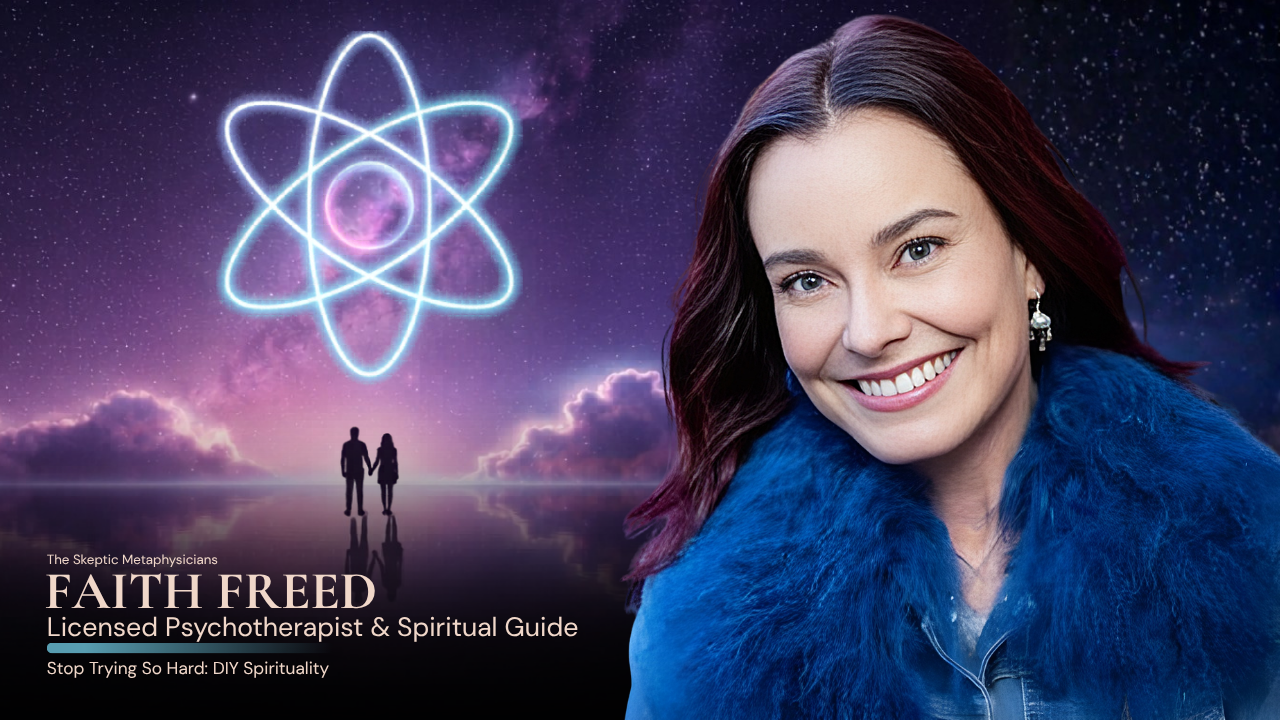
The truth is far more liberating: you are not failing; you are just exhausted by a job description you never actually signed up for. Licensed psychotherapist and author Faith Freed points out that many people who feel spiritually lost are actually just spiritually over-engineered. When every minute of your spiritual routine feels like a chore, your nervous system registers safety not in connection, but in compliance. Breaking free from this cycle requires letting go of the idea that spiritual growth requires rigid adherence to a guru's playbook.
Shifting from Performance to Presence
The pursuit of enlightenment often morphs into an ego-driven race. We push ourselves to meditate harder, breathe deeper, and manifest faster, expecting a guaranteed spiritual paycheck at the end of the week. When a stressful day at work shatters our inner peace, we panic and double down on more techniques. True spiritual presence, however, does not live in how many hours you log on a meditation cushion. It lives in your ability to touch in with your core essence, even amidst the chaos of daily human life.
Navigating Your Practice with the Divine Disco Ball Framework
To replace rigid dogma with sustainable, personalized exploration, Faith Freed introduces the Divine Disco Ball framework. Think of a disco ball not as a relic of the past, but as a vibrant symbol of celebration, multi-faceted reflection, and joy. This framework breaks spiritual connection down into four distinct quadrants that act as navigation tools rather than diagnostic rules:
- Body and Mind: The physical entry point where somatic awareness, grounding, and physical movement take center stage.
- Soul and Spirit: The inner landscape of passion, creative expression, intuition, and inner aliveness.
- Infinite Source: Your connection to the broader cosmos, divine intelligence, or whatever higher power resonates with your worldview.
- The Natural World: Earth-based grounding, forest bathing, observing weather patterns, and feeling connected to living ecosystems.
The beauty of this framework is its flexibility. When one quadrant—say, mental meditation—feels heavy, obligatory, or overworked, you simply rotate to another. If your mind is too restless to sit quietly, you don't force a meditation session; you shift your focus to the natural world by watching the rain or taking a mindful walk.
Embracing Micro-Rituals and Accidental Zen
You do not need an hour of uninterrupted silence to experience sacred connection. Micro-rituals—simple, 60-second pauses throughout your day—can anchor your awareness far more effectively than a forced 45-minute practice. Whether it is noticing the temperature of your morning coffee, taking three intentional breaths before answering an email, or finding profound peace while people-watching at an amusement park like Faith's memorable solo trip to Busch Gardens, spirituality is entirely portable.
When you stop trying so hard to achieve a specific mystical state, you give your intuition room to breathe. Sometimes the most powerful spiritual practice is putting down the self-improvement books, letting go of the rulebook, and simply allowing yourself to exist in the present moment.
Conclusion: Give Yourself Permission to Chart Your Own Path
Spiritual awakening is not a standardized test with a single correct answer. It is a lifelong exploration where you get to keep what lights you up and release what no longer serves your well-being. By recognizing that exhaustion is a signal to pivot rather than a sign of failure, you can reclaim the joy and curiosity that brought you to this path in the first place.
Ready to drop the rules and explore a lighter, more sustainable approach to your spiritual journey? Listen to the full episode of The Skeptic Metaphysicians to hear Will, Karen, and Faith Freed dive deeper into unscripted epiphanies, the freedom of DIY spirituality, and how to find your unique sacred rhythm.
Frequently Asked Questions
What is spiritual exhaustion, and how do I know if I have it?
Spiritual exhaustion happens when your spiritual practices feel like an obligatory second job or a source of guilt rather than a source of joy. If you feel constantly pressured to meditate, manifest, or maintain a high vibration perfectly, you are likely experiencing spiritual burnout.
What is the Divine Disco Ball framework?
Created by psychotherapist Faith Freed, the Divine Disco Ball framework is a four-part model that maps spiritual connection across the body and mind, soul and spirit, infinite source, and the natural world. It serves as a flexible navigation tool to help you shift your focus when a particular practice starts to feel heavy.
Do I need a daily meditation practice to be spiritual?
No. While meditation works wonderfully for many people, it is not a mandatory requirement for spiritual growth. If sitting quietly causes frustration or feels like a chore, you can connect through nature, creative expression, somatic awareness, or simply being present in your everyday life.
How can micro-rituals improve my spiritual life?
Micro-rituals are brief, 60-second touchpoints—such as taking a deep breath, noticing sensory details, or pausing before a task—that keep you grounded throughout a busy day without requiring large blocks of dedicated time.
How to Tell Intuition from Monkey Mind During a Two-Minute Meditation